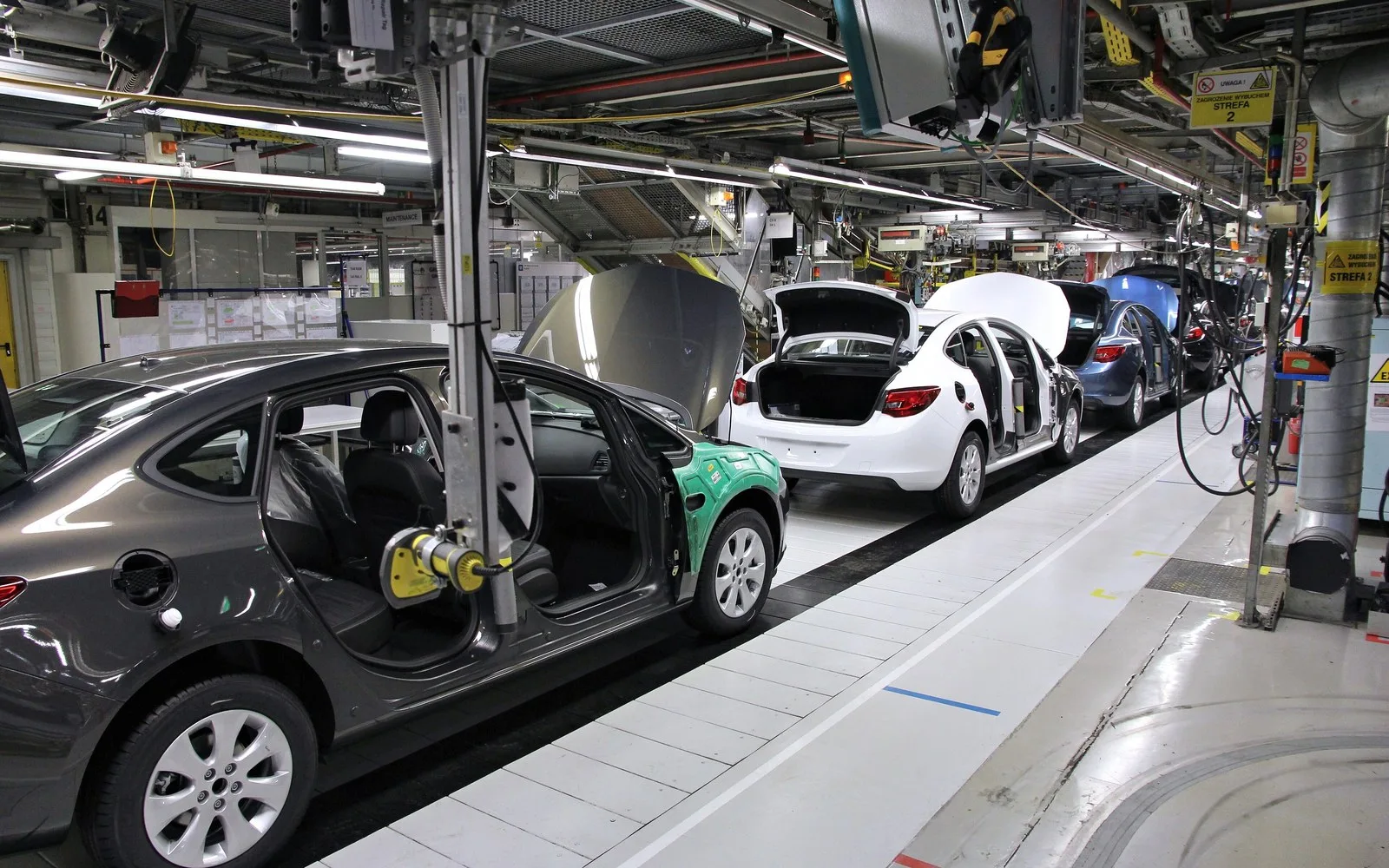
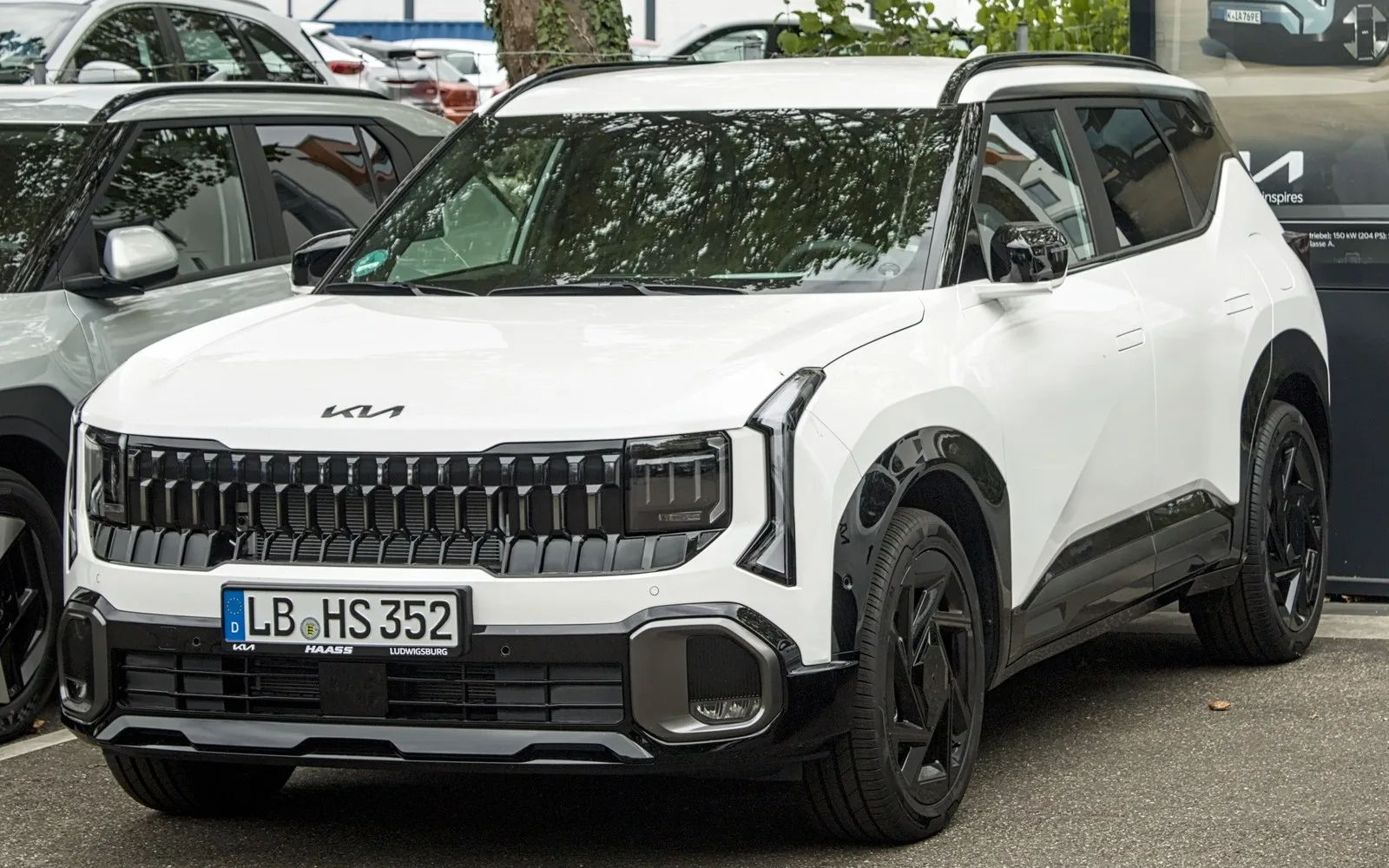
USMCA Review: Mexico Pushes for a US Auto Tariff Below 15%, Undercutting Japan and Korea
Mexico wants its vehicles to enter the US at a lower tariff than Japanese, Korean or European cars, down from today's 25% Section 232 rate. The next negotiating round has slipped to October, and foreign investment in the sector is falling.
Lead
Mexico has named its price in the review of the United States–Mexico–Canada Agreement. On September 23, Deputy Foreign Trade Minister Luis Rosendo Gutiérrez said the country has asked Washington for a tariff below 15% on Mexican vehicle exports.
The benchmark is deliberate. Japan, South Korea and the European Union currently pay 15% to ship cars into the US. Mexico, by contrast, faces the 25% Section 232 tariff, even though its vehicles must meet the strictest rules of origin of any US trade deal.
Key Figures
Mexico's asks
- An auto tariff below 15%, lower than the rate paid by Japan, Korea and the EU
- Lower Section 232 duties on vehicles, steel and aluminum, the stated priority
- US compliance with the USMCA panel ruling Mexico won on how automotive rules of origin are calculated
- Progress on customs issues and a stronger regional supply base to replace imports from outside North America
How the tariff works today
- Mexican-built vehicles are subject to a 25% Section 232 tariff, in place since 2025
- For vehicles that meet USMCA rules of origin, the duty applies only to non-North American content
- About 85% of Mexican exports to the US enter duty-free, according to Gutiérrez
Timeline
- The fourth bilateral round, originally set for the first half of September, has been pushed to October, with no date confirmed. Gutiérrez pointed to Chinese President Xi Jinping's September 23–25 US visit and the G20 trade ministers' meeting.
- Mexican negotiators say they are in near-daily contact with USTR and the Commerce Department.
Investment is retreating
- Foreign direct investment in vehicle, truck and parts manufacturing totaled US$4.285 billion in the first half of 2026, down 11.2% year on year. That is the lowest first-half figure since 2022 and the second straight annual decline, according to Economy Ministry data reported by El Universal.
Market Analysis
The gap between 25% and sub-15% matters because the US is Mexico's dominant customer. It took 76.3% of Mexican light-vehicle exports in January–August, or 1,716,610 units according to INEGI. Meanwhile, domestic production has now declined for four consecutive months. Beating Asian and European rivals on tariffs would, in Gutiérrez's words, let Mexico capture a bigger share of the vehicles Americans buy.
Analysts quoted by El Universal link the investment slump to USMCA uncertainty, Section 232 tariffs and the industry's costly pivot to electrification. They note that some capital has shifted to electronics manufacturing instead. Texas A&M researcher Luis Foncerrada says the sector is "waiting for a decision or agreement on the USMCA" (quote translated from Spanish), whether before or after the US elections in November.
For Mexican car buyers there is no immediate impact on showroom prices. The outcome, however, will shape which models keep being built in Mexico, how much money flows into plants across the Bajío, the north and central Mexico, and how many jobs the parts supply chain can sustain. We will update this story once the October round is scheduled.
Photo: U.S. Customs and Border Protection (public domain), via Wikimedia Commons
Sources
- El Economista: Mexico seeks auto tariff below 15% (Spanish)
- Publimetro: Mexico fights for a better tariff than Japan and Korea (Spanish)
- Proyecto Puente: fourth review round postponed to October (Spanish)
- El Buen Tono: Mexico refuses to yield on auto rules (Spanish)
- El Universal: automakers cut investment for second year (Spanish)
- INEGI: RAIAVL August 2026
- El Financiero: production